
AI can create a photograph of almost anything. People, places, products and experiences that look completely convincing, even when they have never existed. But as artificial intelligence changes the way we create and consume images, are we beginning to lose something much more important than the photograph itself?
Imagine browsing a holiday website and finding a beautiful photograph of a secluded cottage, surrounded by rolling countryside, with perfect afternoon sunshine streaming through its windows. It looks idyllic. You can almost imagine yourself sitting in the garden with a coffee.
Now imagine discovering that the cottage doesn’t exist. The garden was generated by AI, the sunshine was digitally created and the photograph represents an experience that nobody has ever had.
Would you still book it?
It’s an interesting question, and one that is becoming increasingly relevant as artificial intelligence changes the way we create, consume and trust images.
We have entered an age where almost anybody can produce a convincing image of almost anything. A few words, a computer and a little imagination can create scenes that would previously have required expensive production teams, specialist equipment and considerable creative expertise.
The technology is remarkable. But there is a growing distinction between creating an image and capturing something that genuinely happened.
And perhaps that’s where the future of professional photography becomes particularly interesting.
The extraordinary rise of artificial imagery
Only ten years ago, when Thetford Photography first started trading, AI-generated imagery wasn’t something the average person could realistically access.
Hollywood was producing extraordinary computer-generated imagery, and specialist visualisation companies were creating sophisticated 3D graphics for advertising, architecture and commercial projects. But for most people, artificial intelligence was something associated with science-fiction films rather than an everyday creative tool.
Fast-forward to today and things have changed almost beyond recognition.
Generative AI can produce remarkably convincing images of people, products, buildings, landscapes and situations that have never existed. It can change backgrounds, create entirely new environments, manipulate lighting and generate visual concepts in seconds.
For businesses, this opens up some interesting possibilities. Marketing departments can explore creative ideas without organising expensive shoots. Designers can visualise concepts quickly. Small businesses can experiment with advertising imagery that might previously have been beyond their budgets.
There is genuine value in that.
However, the more convincing artificial imagery becomes, the more important it is to understand what we’re actually looking at.
An image can be beautiful, technically impressive and visually persuasive without having any connection to reality.
The question is no longer simply whether an image looks good. It’s whether we can trust what it represents.
What happens when we can no longer trust our eyes?
One of the biggest challenges with AI imagery is that the technology has developed faster than our ability to recognise it.
A study published by Microsoft Research in June 2025 examined approximately 287,000 image evaluations from more than 12,500 participants around the world.
The overall success rate for identifying whether an image was real or AI-generated was just 62%.
In other words, people were only moderately better than chance at identifying the difference.
That’s quite an uncomfortable thought when you consider how much of our everyday decision-making relies on photographs.
We use images to choose restaurants, book accommodation, purchase products, research businesses and decide where to spend our money.
Getty Images has also been examining this changing relationship between visual content and consumer expectations through its VisualGPS research.
Its 2026 Visual Trends report, updated on 10 November 2026, highlights a growing demand for more specific, authentic imagery, real human presence and visual storytelling that reflects genuine experiences.
One particularly interesting finding is that authenticity is increasingly about specificity. Audiences are responding to details that reveal personality, character and lived experience rather than generic images designed to appeal to everybody.
Getty’s research into the European beauty market also found that 76% of European consumers believe an image generated using AI cannot be considered authentic.
These findings suggest that, while AI-generated images may be becoming more convincing, the value people place on genuine representation remains significant.
Perhaps we’re beginning to reach a point where the ability to prove that something is real becomes just as important as making it look attractive.
AI isn’t the enemy of photography
I want to make something clear. I’m not anti-AI.
As a professional photographer, I actually think artificial intelligence has some enormous benefits when used appropriately.
Modern editing tools can help us remove distractions, improve workflows, make repetitive tasks quicker and deliver finished photographs to clients more efficiently.
AI-assisted editing can reduce the time spent on certain processes, potentially reducing costs and allowing photographers to concentrate on the creative and personal aspects of their work.
It can also help businesses explore creative concepts, produce illustrations and develop visual ideas without necessarily requiring a conventional photographic shoot.
There’s nothing inherently wrong with any of that.
Photography has always evolved through technology. Digital cameras replaced film for much of the industry. Autofocus transformed how we work. Software such as Photoshop and Lightroom changed the way photographs could be processed and delivered.
We didn’t stop being photographers because technology improved. We adapted.
AI is another significant development, and I believe professional photographers who understand how to use it will benefit.
But there’s an important distinction between using technology to improve a photograph and using technology to invent something that never existed.
One improves the process. The other potentially changes the very thing the photograph is supposed to represent.
And that’s where I think businesses and consumers need to be a little more careful.
The commercial cost of looking perfect
For businesses, photographs are often the first introduction a potential customer has to a product, service or experience.
A website might have seconds to establish credibility. A restaurant menu needs to make food appealing. A property listing needs to help somebody imagine themselves living in a particular place. A wedding venue needs to show couples what their day might genuinely look and feel like.
In all these situations, imagery is doing more than filling a space on a website.
It’s creating an expectation.
Imagine a restaurant advertising a beautifully presented dish created entirely using AI. The lighting is perfect, the ingredients look incredible and everything is arranged precisely where it should be.
But when the customer arrives, the actual meal looks completely different.
The photograph might have attracted the booking, but has it helped create confidence in the business?
The same problem applies to property, hospitality, retail and tourism.
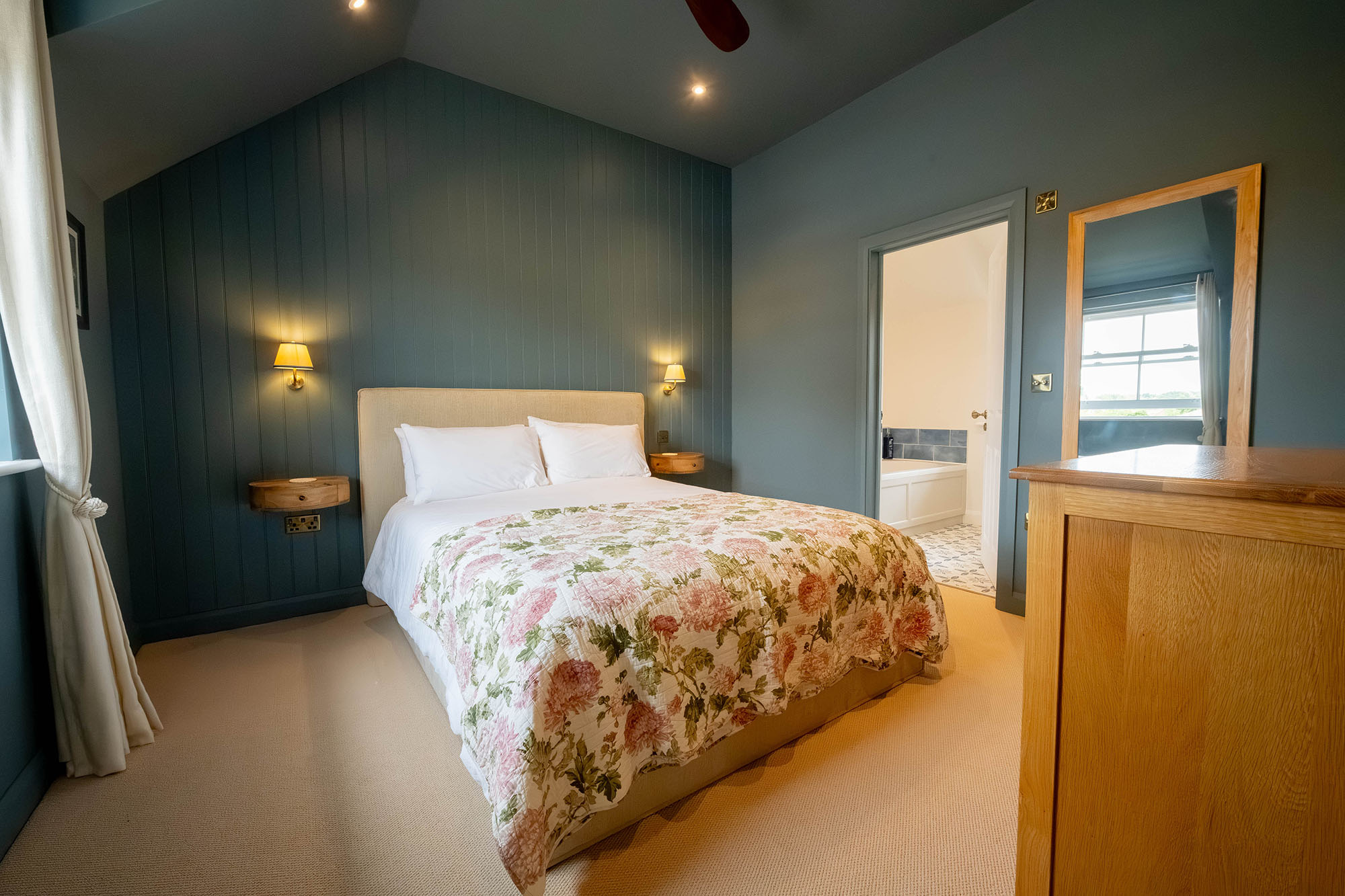
A beautifully generated image of an Airbnb might attract enquiries, but if the real accommodation doesn’t resemble the photographs, the customer experience starts with disappointment.
There is some interesting academic research behind this concern.
A study published in the International Journal of Information Management in December 2025 examined how customers responded to real versus AI-generated images when evaluating hospitality services.
The researchers found that customers generally preferred services advertised using real photographs. The negative response to AI-generated imagery was particularly pronounced when the experience was important to the customer or involved an element of enjoyment, such as hospitality.
Participants also raised concerns about credibility, professionalism and the possibility of being misled.
It demonstrates something important: the commercial value of an image isn’t necessarily determined by how attractive it looks.
Sometimes its greatest value is the confidence it gives somebody that what they’re buying is what they’ll actually receive.
What are we actually paying a professional photographer for?
I have spent ten years photographing weddings, businesses, products, food, properties and events.
During that time, I’ve come to realise that the photograph itself is only one part of what a professional photographer provides.
There is a considerable amount of work that happens before the camera comes out.
Researching a project, understanding a client’s requirements, developing concepts, discussing ideas, planning locations, considering lighting and building a relationship all contribute to the final result.
And then there’s the experience of actually being there.
A wedding photographer isn’t simply recording people standing together. They’re anticipating the laughter, the nerves, the unexpected moments and the emotion that makes that particular day special.
A commercial photographer isn’t simply making a product look attractive. They’re understanding what makes that product different, who it’s being sold to and how the photographs will be used.
A food photographer needs to understand the food, the restaurant, the chef and the experience the business wants to communicate.
These things require more than a camera or an impressive piece of software.
They require judgement, experience, communication and an understanding of people.
A camera records light. A photographer makes decisions about what deserves to be recorded.
And sometimes the most valuable photograph is the one you couldn’t possibly have planned.
The expression on somebody’s face, a spontaneous interaction, a moment of laughter or an unexpected detail can tell a story that no amount of artificial perfection could genuinely reproduce.
The emotion in an AI-generated image has never actually existed.
It might look like happiness, excitement, love or genuine human connection. But nobody experienced that moment. Nobody felt that emotion. There was no experience behind it.
That’s a distinction I believe is going to become increasingly important.
The future of photography isn’t AI versus professional photographers
I don’t believe we’re heading towards a future where professional photographers and artificial intelligence are necessarily competing against each other.
There is room for both.
AI can be an incredibly useful creative tool. It can help produce illustrations, visualisations, conceptual advertising and images that would be impractical or impossible to photograph conventionally.
There are situations where an artificial image is exactly the right solution.
If a designer wants to illustrate a fictional world, there’s no reason to organise a photographic shoot. If a company wants to explore a product concept that hasn’t been manufactured yet, a computer-generated visual might be entirely appropriate.
The important thing is being honest about what the image represents.
A conceptual illustration should be understood as a conceptual illustration. A real product photograph should show the real product. An accommodation listing should accurately represent the accommodation being offered.
It’s not about rejecting creativity. It’s about understanding the difference between imagination and representation.
And I suspect that as artificial imagery becomes increasingly commonplace, genuine photographs will become an increasingly valuable way for businesses to demonstrate who they are and what they actually offer.
The ability to show real people, real products, real places and real experiences could become an important point of difference.
Perhaps the most valuable photograph is the one that tells the truth
We can all create an image of ourselves standing on another planet, hugging a dinosaur or sharing a room with Hollywood greats such as Marilyn Monroe, James Dean and Charlie Chaplin.
It’s entertaining, creative and remarkably easy to do.
But it’s an illustration of our imagination, not a photograph of an experience.
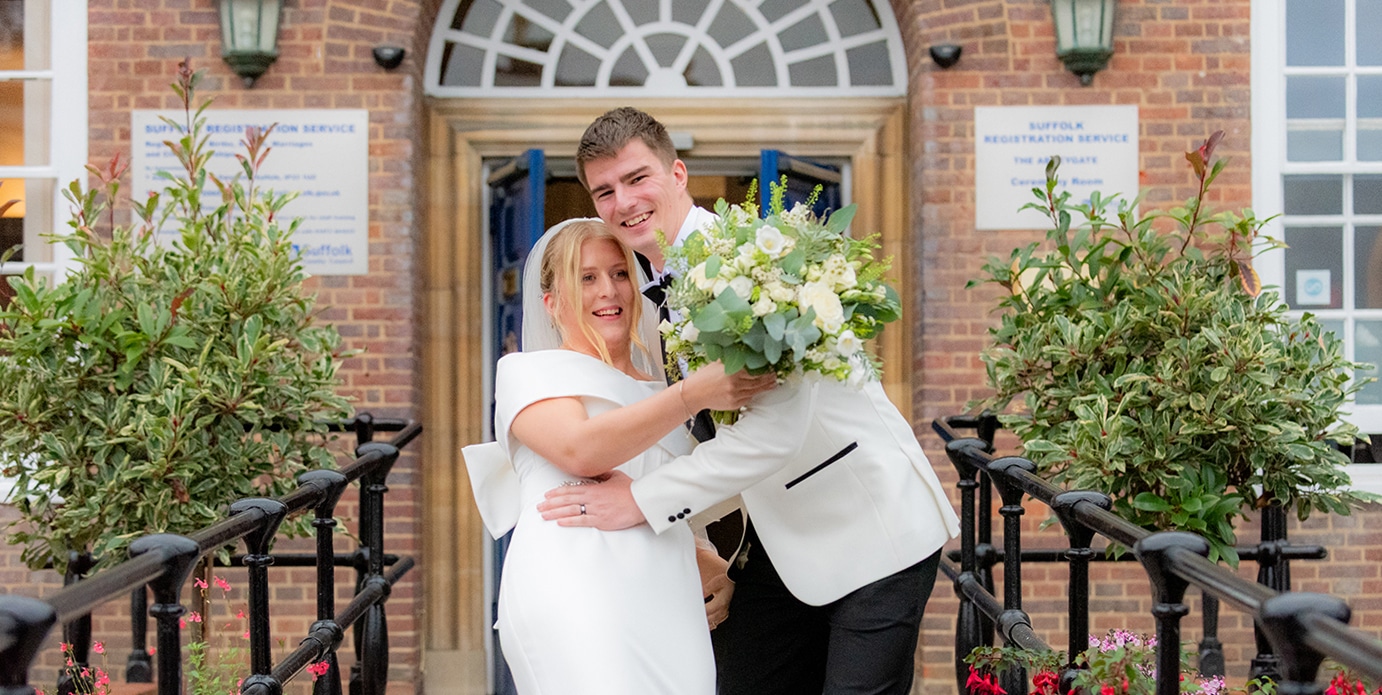
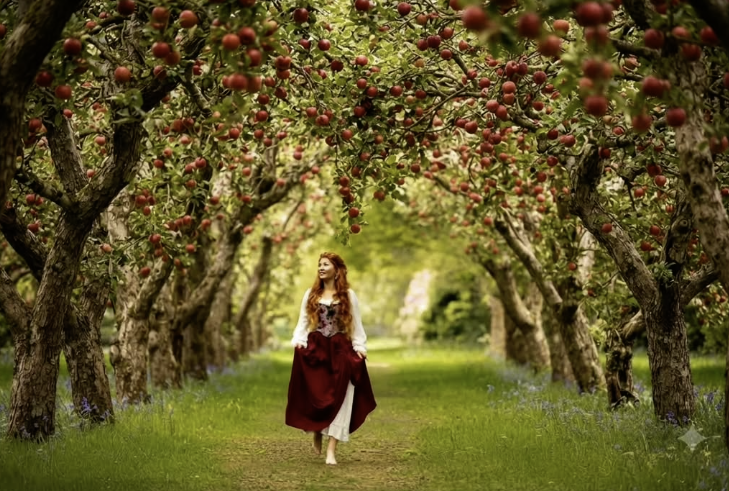 AI vs Photography – The AI Version
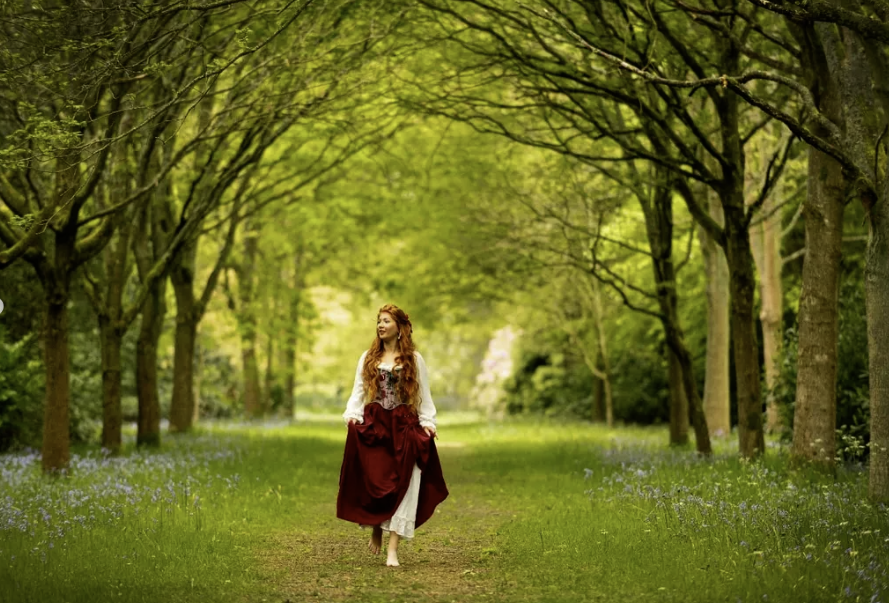 AI vs Photography – The Original Version
There’s nothing wrong with creating those images. The problem begins when we lose sight of the distinction.
At Thetford Photography, we’re interested in both sides of this changing creative landscape. We embrace technology, understand its benefits and use the tools available to help us deliver better results for our clients.
But our work ultimately revolves around people, businesses, experiences and the moments that make them worth remembering.
Whether we’re photographing a wedding, a restaurant, a business, a product or an event, our starting point is understanding what matters and creating imagery that genuinely represents it.
I believe people will always want to feel something, connect with something and trust what they’re seeing.
We can create the perfect image of something that never happened. But nothing replaces the photograph of something that did.
And that’s what gives me faith in the future of professional photography.
Because sometimes the most valuable photograph isn’t the one that looks perfect. It’s the one that tells the truth.
What do you think?
If you knew that a photograph was entirely AI-generated, would it change how you felt about the image? More importantly, would it change your decision to trust the business using it?
It’s a conversation worth having, whether you’re a photographer, a business owner or simply somebody who enjoys looking at a good photograph.
About Thetford Photography
Thetford Photography provides professional wedding, commercial, food, product, property and event photography across Norfolk, Suffolk, East Anglia and beyond.
With ten years of experience and more than 200 weddings photographed, we believe great photography starts with understanding people, building relationships and capturing the things that matter.
Professional photography that feels personal.
Explore Thetford Photography | Discuss a photography project
Further reading and research
Research references are provided so readers can explore the original findings. The views expressed in this article are those of Thetford Photography.







AI vs Professional Photography: Why Authentic Images Matter
Photography, People, Places & Perspectives AI Can Create Almost Any Image. But Can It Capture

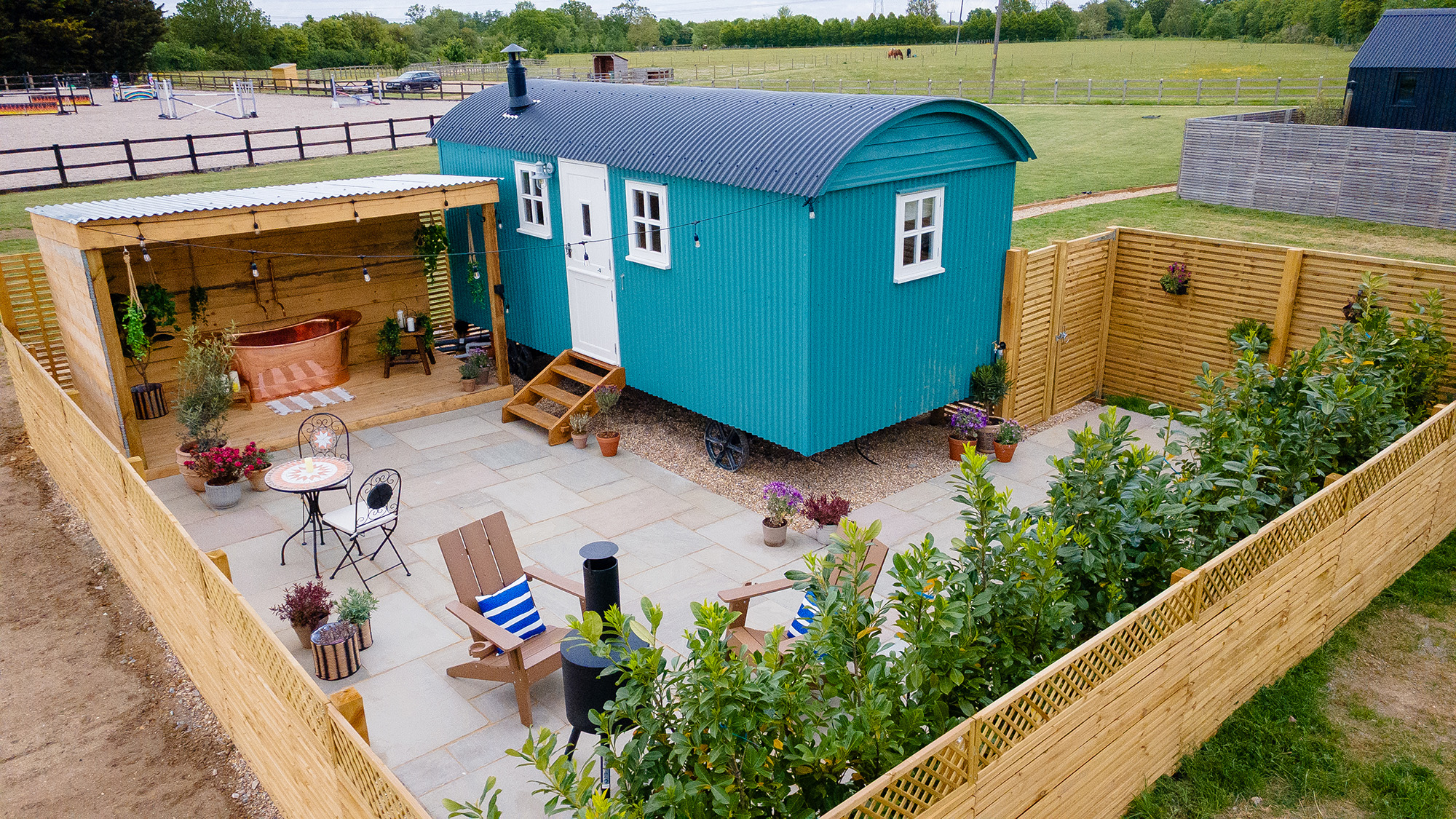
The Shepherd Huts at Woodsthorpe Airbnb Photography
AirBNB Photography The Huts at Woodsthorpe, Sudbury Airbnb Photography When you’re competing for bookings on

Hytte House Airbnb Photography on the North Norfolk Coast
AirBNB Photography Food Photography: The Ultimate Guide to Boosting Restaurant Sales A new luxury holiday

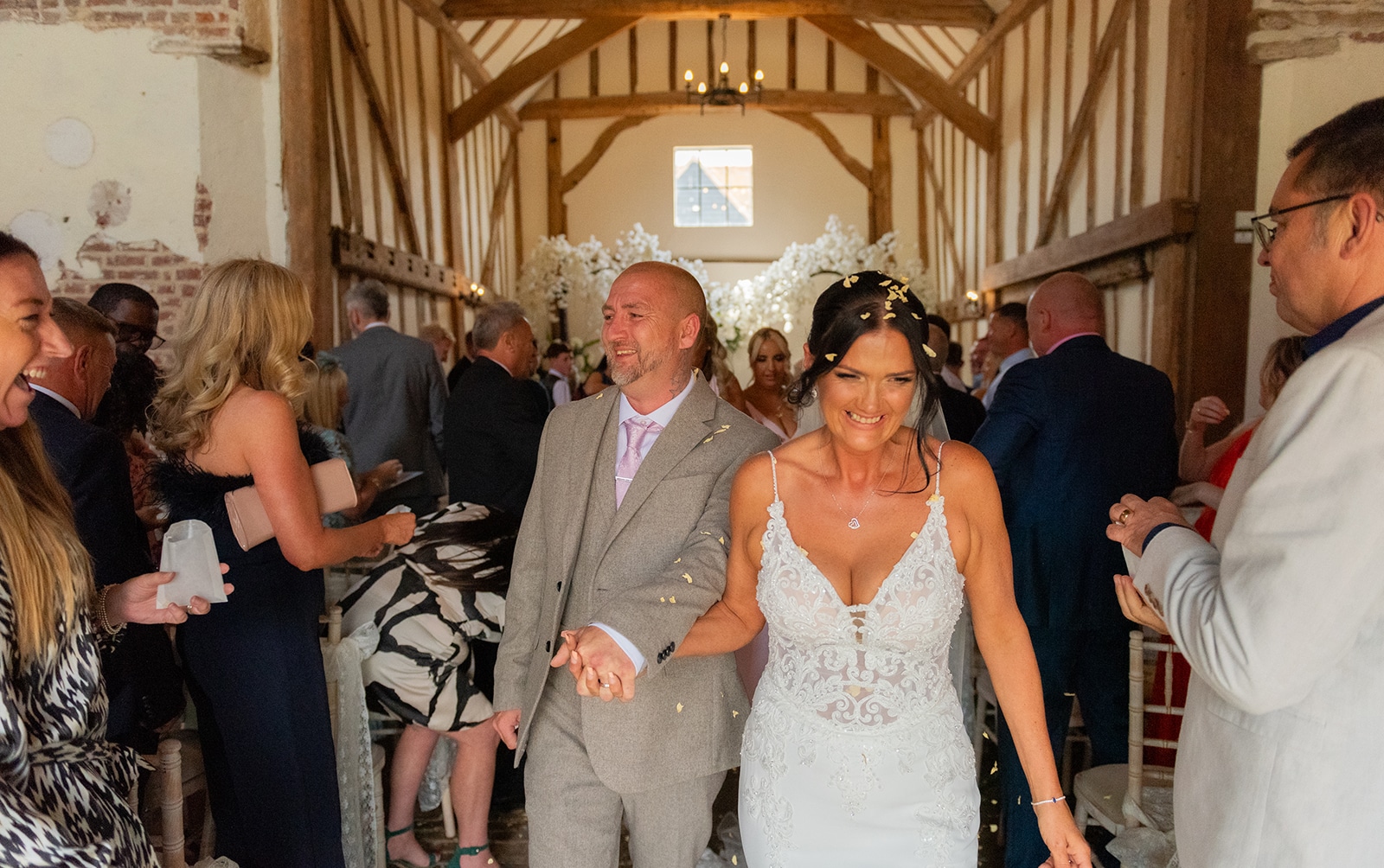
How Much Does Wedding Photography Cost in Norfolk in 2026?
Norfolk Wedding Photography How Much Does Wedding Photography Cost in Norfolk in 2026? If you’re