
Food Photography
Are AI Food Photos Illegal?
Get our professional opinion
AI is changing everything right now. People are creating AI versions of themselves, automating reports, planning businesses, writing menus, designing logos – you name it. And inevitably, it’s made its way into food photography.
If you’re a restaurant owner, café operator, or marketing manager, I can almost hear the first reaction:
“Hell yeah. It costs less than Netflix, I don’t need ingredients, I don’t need the chef, and I don’t shut the kitchen for a shoot. Why wouldn’t I?”
And honestly? On the surface, that logic makes perfect sense.
But here’s the uncomfortable truth: while AI food photos aren’t illegal in themselves, using them can land you in serious trouble if they mislead customers. And in the UK, that trouble doesn’t come from social media arguments – it comes from regulators, complaints, refunds, reputation damage, and potentially thousands of pounds in costs.
I’ve been a professional commercial photographer for a long time, working with restaurants, hotels, and national brands. I’ve also spent years pushing back on creative ideas that looked great but crossed legal or ethical lines. This article isn’t anti-AI hype or scare tactics. It’s about what actually matters under UK advertising law and how to protect your business.
AI Is Cheap, Fast, and Tempting – I Get It
Let’s start by acknowledging reality.
Professional food photography costs money.
It takes planning.
It disrupts service.
It involves ingredients, staff time, and sometimes a closed kitchen.
AI, on the other hand:
Is fast
Is cheap
Never burns ingredients
Never needs reshoots
Never argues about styling
From a purely operational point of view, it looks like a no-brainer – especially for independents watching every penny, or chains trying to standardise visuals across multiple sites.
And yes, AI images are technically legal to create and publish.
But legality isn’t the whole story.
So… Are AI Food Photos Illegal in the UK?
The short, accurate answer
No – AI food images are not illegal by default.
But (and it’s a big but):
You are legally responsible for whether your advertising misleads customers.
In the UK, this is governed primarily by:
The Consumer Protection from Unfair Trading Regulations 2008
The ASA (Advertising Standards Authority) CAP Code
These don’t care whether an image was taken with a £10,000 camera, a phone, Photoshop, or an AI generator.
They care about what the customer believes they’re buying.
Where Restaurants Actually Get Caught Out
AI doesn’t know:
Your portion sizes
Your ingredient quality
Your plating standards
Your supplier limitations
Your kitchen workflow
It only knows how to interpret words and generate an idealised version of a dish.
That’s where the risk lives.
Under the ASA CAP Code, marketing must:
Be truthful
Be accurate
Not mislead by omission, exaggeration, or visual suggestion
If a reasonable customer believes they are ordering what they see, and what arrives is materially different, you’ve crossed a line.
Not morally.
Not creatively.
Legally.
“But McDonald’s Does It” – The Most Misunderstood Example
This is the argument I hear more than any other.
“McDonald’s burgers never look like the photos. Why can they do it?”
Here’s the difference, and it’s crucial.
Big brands:
Use real ingredients
Photograph real menu items
Follow the exact recipe
Meet legal compliance standards
Yes, they shoot in studios.
Yes, food stylists are involved.
Yes, it takes hours.
But they can physically produce the burger shown.
I once had a chance meeting with a baker who supplied buns for a major fast-food franchise. He casually mentioned delivering over 1,000 buns for a single shoot so the creative team could choose one perfect bun.
That’s not deception.
That’s obsessive compliance.
They’re not inventing food – they’re refining presentation within the rules.
Why AI Food Images Are a Different Beast
AI doesn’t refine reality.
It invents it.
You’ll often see:
Taller burgers than gravity allows
Sauces placed with surgical precision
Garnishes you’ve never stocked
Ingredients that don’t survive heat or service
The danger isn’t that the image looks better.
The danger is that you could never serve it, even on your best day with your best chef.
That’s where complaints start.
What Happens When Customers Feel Misled?
This is where it stops being theoretical.
Here’s what I’ve seen happen in real life:
Customers refuse to pay
Online reviews mention “nothing like the photo”
Chargebacks are raised
Social posts go semi-viral
Complaints are made to the ASA
And here’s the bit most people miss:
You don’t need to intend to mislead.
If the ASA agrees that the image creates a false expectation, you’re on the hook.
At best, you’re told to remove the imagery.
At worst, you’re facing reputational damage that costs far more than the original photo shoot ever would.
Editing Is Fine – Inventing Isn’t
Let’s clear up another myth.
Professional food photography does involve editing.
That’s normal.
That’s expected.
That’s legal.
What’s generally acceptable:
Lighting correction
Colour balance
Cleaning plates
Minor retouching
Styling for clarity
What isn’t:
Adding ingredients that aren’t used
Altering portion sizes
Enhancing beyond realistic delivery
Creating a dish that doesn’t exist
A simple test I use with clients is this:
“Could you confidently put this plate down in front of a customer on a great day?”
If the answer is no, the image is unsafe.
Why “My Mate With a Camera” Isn’t the Same Thing
I say this with love – because I’ve met plenty of talented hobbyists.
But commercial photography isn’t just about taking a nice picture.
It’s about:
Advertising law
Brand protection
Industry standards
Risk management
A professional photographer who works in food, hospitality, or advertising has likely:
Dealt with marketing teams
Worked under brand guidelines
Had images reviewed by legal departments
Been told “no” more than once
I’ve personally pushed back on clients trying to “just make it look a bit bigger” or “add something extra.” Not because I’m awkward – but because my reputation is built on knowing where the line is.
I’ve never had a client fined, complained about, or pulled up by regulators. That’s not luck. That’s experience.
The AI Timebomb Nobody’s Talking About
Right now, AI food images are everywhere on social media.
And enforcement always lags innovation.
But it never disappears.
All it takes is:
One unhappy customer
One complaint
One investigation
Small businesses are often hit harder than big chains because:
They lack legal teams
They lack PR buffers
They rely heavily on reputation
I genuinely believe it’s only a matter of time before we see a high-profile case involving AI-generated food imagery misleading customers.
When that happens, the rules will tighten fast.
Ethics, Authenticity, and Modern Diners
Here’s the good news.
Customers today are smarter than ever.
They value:
Transparency
Authenticity
Honesty
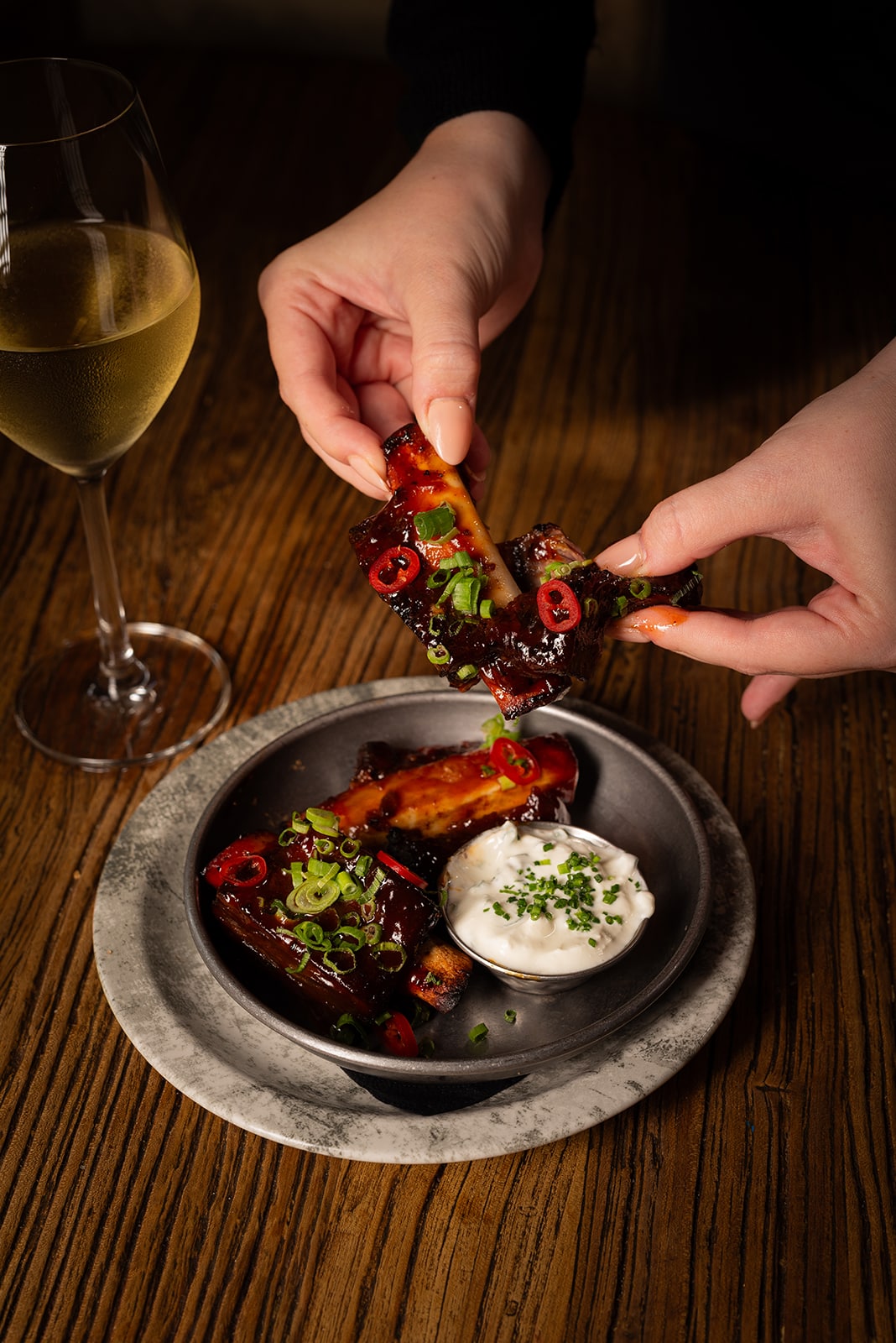
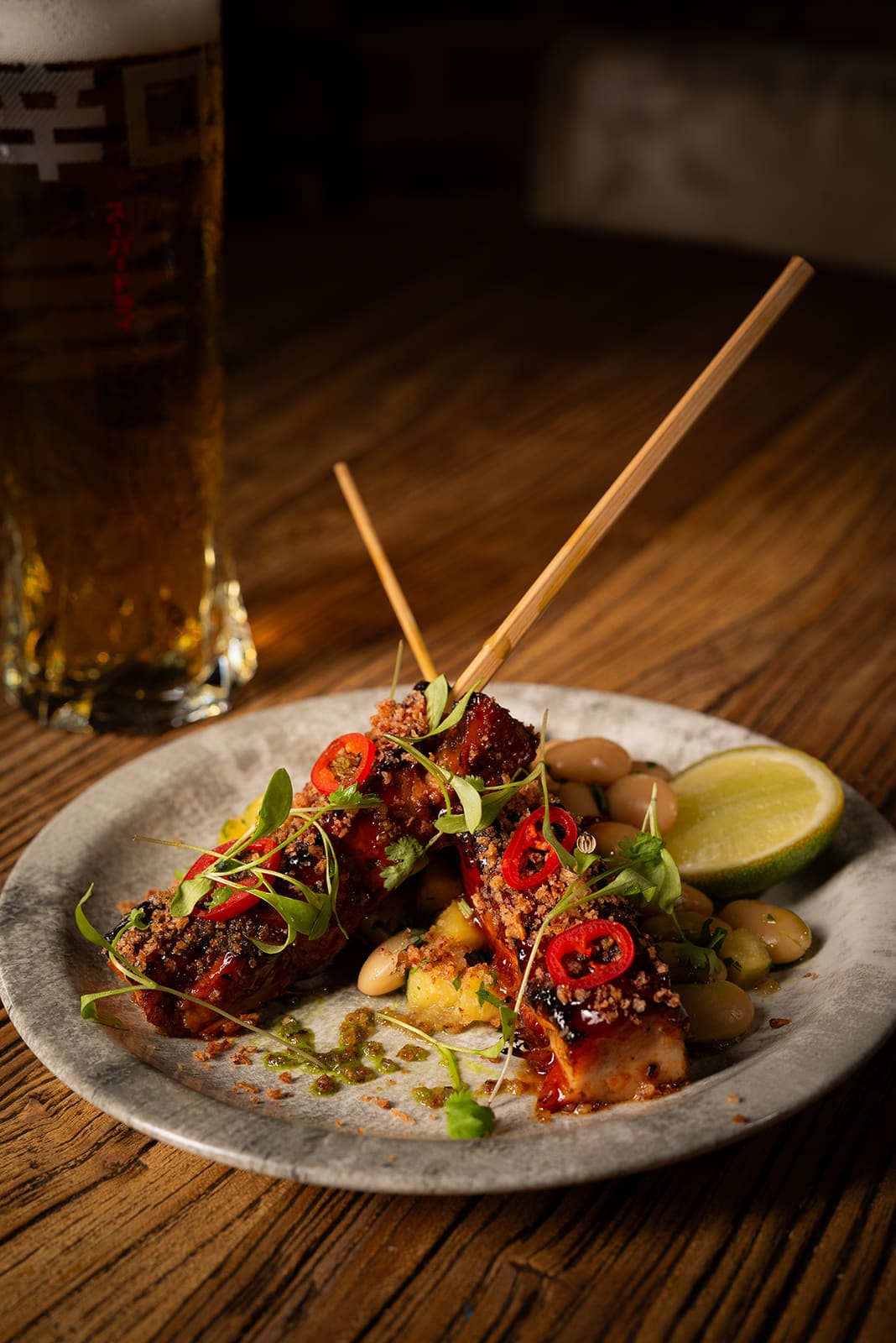
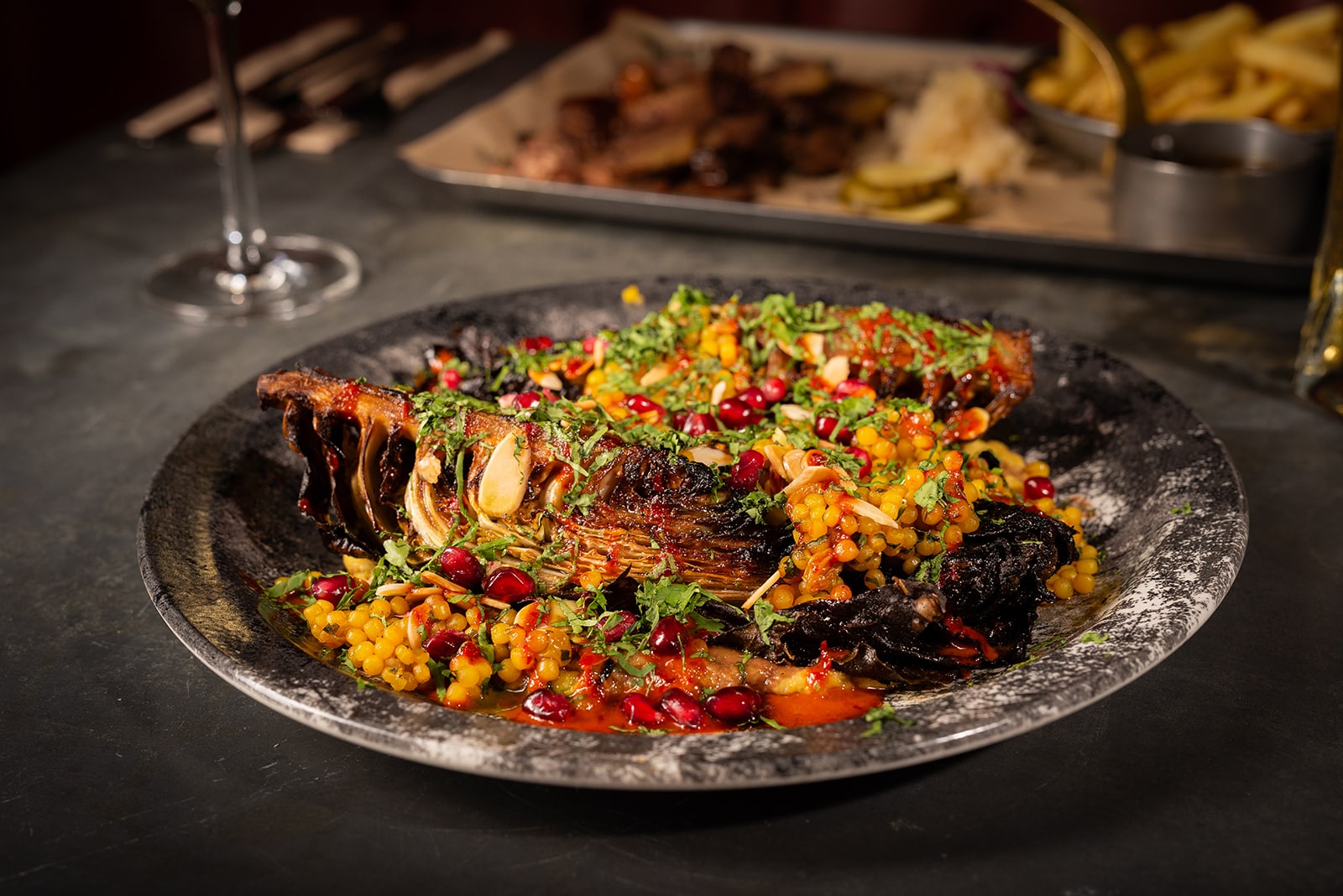
Real images of real food build trust.
Trust builds loyalty.
Loyalty builds repeat business.
I’ve worked with restaurants who worried their food “wasn’t fancy enough” for professional photography. Every single time, customers responded better to honest, well-lit, real dishes than overly polished fantasy visuals.
Making Professional Photography Pay for Itself
Yes, professional photography is an investment.
But it’s one that works harder than most people realise.
Good food imagery can be used for:
Menus
Delivery platforms
Social media
Press features
Staff training
Brand guidelines
I regularly help clients:
Create content banks for months
Repurpose images across platforms
Improve consistency between sites
Increase perceived value without changing prices
There are always ways to make the numbers stack up – if the goal is long-term growth, not short-term shortcuts.
Final Thoughts: Just Because You Can Use AI…
AI isn’t evil.
And it isn’t going away.
But food is different.
You’re not selling an idea or a concept – you’re selling something people physically receive.
In the UK, advertising law doesn’t care how clever your tools are. It cares about outcomes.
If you wouldn’t happily serve it, don’t advertise it.
If you’re unsure, speak to professionals who understand both visual storytelling and compliance. It’ll cost less than fixing a mistake – and it’ll protect something far more valuable than a single campaign.
Your reputation.
If you like this story please share with your friends...


FOR THE QUICK CHAT & ADVICE
simply complete the form below and we'll email you a quote.
FOOD NEWS

Are AI Food Photos Illegal?
Food Photography Are AI Food Photos Illegal? Get our professional opinion AI is changing everything

Why We’re Rebranding 3 Weeks Before Christmas 2025
Our Photography Journey Why We’re Rebranding 3 Weeks Before Christmas 2025 (And Why It Makes

Behind the Lens at the PAPA Awards 2025
Awards Ceremony Photography Behind the Lens at the PAPA Awards 2025: Pizza, Pasta, and a

Block House Food Photography Shoot
Food Photography Block House Food Photography Shoot Why Loyalty Still Matters in a Creative World